Home

Empowering Minds. Transforming Futures.
Since 1999, our purpose has always been to prepare our 15,200+ TK–12 scholars for success in college, career, and life. Our greater Aspire community of scholars, teachers, leaders, staff, and families is focused on ensuring every child’s aspirations are within reach.
Homepage Calls to Action



Our Vision
Aspire scholars are prepared and empowered to build a fulfilling and liberated future for themselves and their communities.
Our Mission
Provide a rigorous, joyful academic experience that cultivates our scholars’ skills, talents, and gifts, such that they may pursue and persist in college or any post-secondary pathway that is authentic to their identities;
Promote inclusivity and disrupt systems that have historically oppressed marginalized communities, including Black, Latino/a/x, Indigenous, and People of Color; and
Nurture our scholars’ pride in their abilities, identities, and communities.

Aspire By The Numbers




Homepage Gateway Items

Equity
We live in a society that provides some groups more or fewer opportunities based solely on factors they do not control. Read Aspire’s beliefs.
Quality
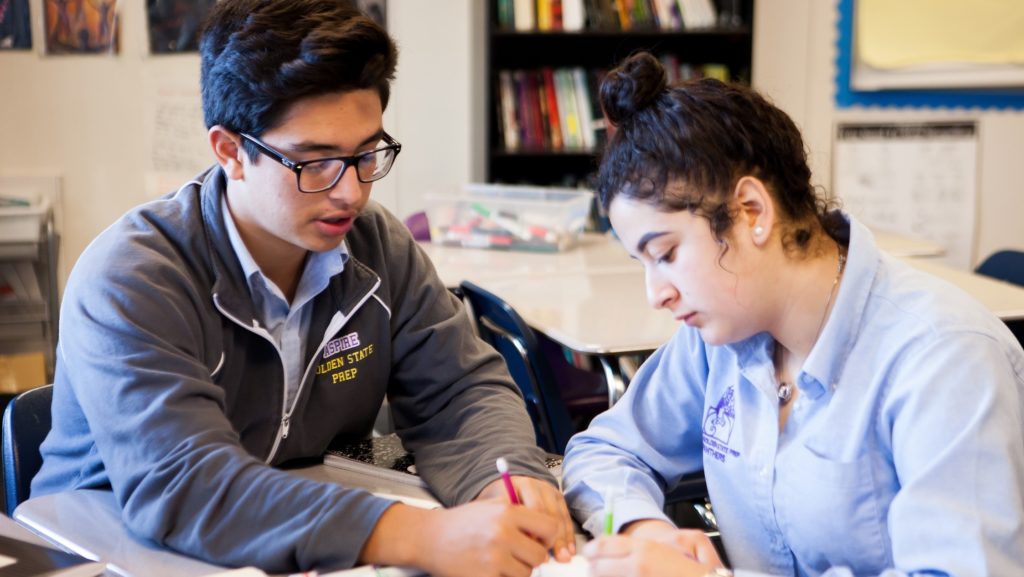
Student achievement is a critical measure of success for our schools. Learn more about Aspire students' academic progress.

Innovation
Alder GSE for teacher training and certification. Schoolzilla for data analytics and insights. See how innovation is in our DNA.
Aspire Social Networks

Subscribe to Our Newsletter
Stay in touch with Aspire! Sign up to receive our newsletter and other important updates. We will never share your contact information with any third party.
________________________________________________________